Cultural Awareness Through Travel: A Path to Global Understanding
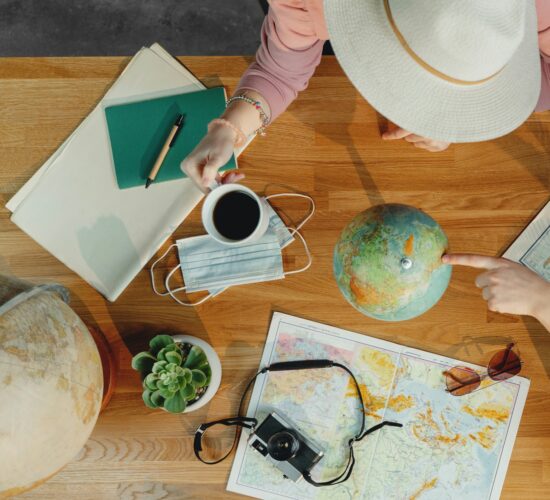
Travel offers more than a chance to see new places. It creates opportunities to connect with different people, traditions, and ways of life. Through these experiences, travelers gain a deeper understanding of the world around them. Cultural awareness through travel helps people develop empathy, challenge assumptions, and appreciate diversity. As a result, travel becomes a powerful tool for personal growth and global understanding.
How Travel Expands Cultural Awareness
Travel exposes people to cultures that differ from their own. When individuals visit new destinations, they encounter unique customs, languages, foods, and social practices. These experiences encourage travelers to move beyond familiar surroundings and learn about different lifestyles. Consequently, they gain a broader view of the world and develop respect for cultural differences.
Moreover, direct interaction with local communities creates meaningful learning opportunities. Reading about a culture can provide knowledge, but experiencing it firsthand offers deeper insight. Travelers often discover that many stereotypes do not reflect reality. Therefore, cultural awareness through travel helps people replace assumptions with genuine understanding.
The Connection Between Travel and Empathy
Empathy grows when people understand the experiences and perspectives of others. Travel places individuals in unfamiliar situations where they must adapt and communicate across cultural boundaries. As they navigate these challenges, they become more aware of others’ feelings and needs. This process naturally strengthens empathy.
In addition, meeting people from different backgrounds allows travelers to hear personal stories and experiences. These interactions often reveal common hopes, concerns, and values. Although cultures may vary, people share many similar human experiences. As a result, travel and empathy become closely connected, fostering stronger human connections.
Learning Through Cultural Exchange
Cultural exchange occurs whenever travelers and local communities interact and share ideas. These exchanges help both parties learn from one another. Travelers gain knowledge about traditions, beliefs, and daily life, while locals may learn about different cultures in return. Consequently, cultural exchange promotes mutual respect and understanding.
Furthermore, these interactions often challenge preconceived ideas. Many people develop opinions based on limited information or media portrayals. However, real-life experiences provide a more accurate perspective. Therefore, cultural awareness through travel encourages open-minded thinking and helps individuals appreciate cultural diversity.
Breaking Down Stereotypes Through Travel
Stereotypes often form when people lack direct exposure to different cultures. Travel provides opportunities to see beyond simplified assumptions and discover the complexity of real communities. By engaging with residents, travelers gain a clearer understanding of cultural traditions and social values. As a result, misconceptions begin to fade.
Additionally, personal experiences often contradict common stereotypes. Travelers may encounter kindness, generosity, and hospitality in places they previously misunderstood. These positive interactions reshape perceptions and promote greater acceptance. Therefore, travel is an effective way to reduce prejudice and foster cultural understanding.
The Role of Communication in Building Understanding
Communication plays a crucial role in cultural awareness through travel. Even when language barriers exist, people find creative ways to connect. Simple conversations, gestures, and shared experiences help build relationships across cultures. Consequently, travelers develop stronger communication skills and greater confidence in diverse environments.
Moreover, cross-cultural communication teaches patience and active listening. Travelers learn to pay attention to different perspectives and adapt their communication styles. This ability improves interactions both during travel and at home. As a result, individuals become more effective communicators in an increasingly global society.
Personal Growth Through Travel Experiences
Travel often challenges people to step outside their comfort zones. New environments require flexibility, problem-solving, and adaptability. As travelers face unfamiliar situations, they develop confidence and resilience. Consequently, these experiences contribute to personal growth and self-awareness.
At the same time, exposure to different cultures encourages reflection on personal beliefs and values. Travelers may compare their own customs with those of other societies and gain fresh perspectives. Therefore, cultural awareness through travel not only enhances global understanding but also deepens self-understanding.
How Travel Encourages Global Citizenship
Global citizenship involves recognizing connections between people around the world. Travel helps individuals see how cultures, economies, and communities interact on a global scale. By experiencing different societies firsthand, travelers develop a greater sense of responsibility toward the wider world. Consequently, they become more aware of global challenges and opportunities.
Furthermore, travel encourages respect for diversity and cooperation. People who understand different cultures are often more willing to engage in meaningful dialogue and collaboration. As a result, cultural awareness through travel supports the development of responsible and informed global citizens.
The Impact of Travel on Future Relationships
The lessons learned through travel often influence future personal and professional relationships. Individuals who have experienced diverse cultures tend to approach others with greater understanding and respect. Consequently, they build stronger connections in multicultural environments.
In addition, employers increasingly value cultural competence in the workplace. Employees who can communicate effectively with people from different backgrounds contribute to stronger teamwork and collaboration. Therefore, the benefits of travel extend beyond personal enrichment and support long-term success in many areas of life.
Why Meaningful Travel Matters
Not all travel experiences create the same level of cultural understanding. Meaningful travel involves engaging with local communities rather than remaining isolated from them. Travelers who participate in local activities, explore cultural traditions, and interact with residents gain richer experiences. As a result, they develop deeper cultural awareness.
Moreover, meaningful travel encourages respect for local customs and traditions. Responsible travelers recognize the importance of preserving cultural heritage and supporting local communities. Therefore, intentional travel experiences create lasting positive impacts for both visitors and residents.
Additional Information
- Blogs
- communication skills, local communities, personal growth
- t@hRS@rth