Beyond the Classroom Conversation: Helping Curiosity Find Its Next Step
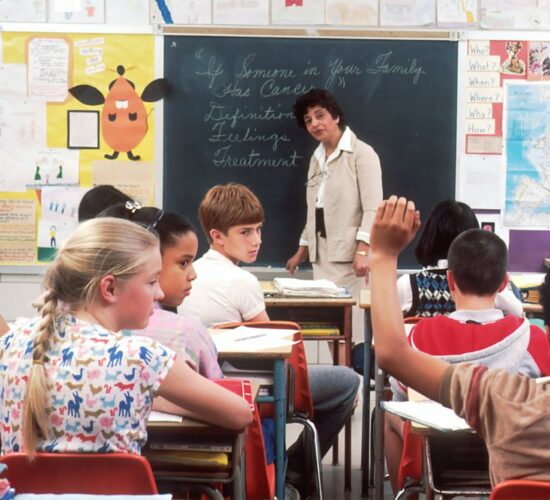
A lively classroom discussion can spark questions that last beyond the lesson. Students may wonder why an event happened, how a process works, or whether an explanation tells the whole story. However, those questions can disappear when the class moves on. Teachers can keep curiosity alive by helping students choose one idea they want to explore further.
Moreover, independent exploration gives students a purpose for using what they learn. They move from hearing different views to examining a question themselves. This shift does not require a large research project. A short reading, simple observation, or careful comparison can provide a useful beginning. The goal is to help students take a thoughtful next step beyond the conversation.
Capture Questions Before They Fade
Interesting discussions often produce more questions than a class can address immediately. Therefore, teachers can leave a few minutes for students to record what still puzzles them. A notebook or shared classroom space can hold these ideas. Students might note a surprising claim, an unresolved disagreement, or a connection they want to understand more clearly after the lesson.
Next, students can turn broad interests into questions they can reasonably explore. “Why do cities change?” may be too wide for a short activity. Asking how one neighborhood changed after a new transit route offers a clearer direction. Teachers can model this process while letting students keep ownership of the question. A manageable focus makes the first step easier.
Offer Choice Within Clear Boundaries
Students can pursue different questions while working toward the same learning goal. For example, a discussion about local water use might lead some students toward household habits and others toward public spaces. Teachers can define the general topic and expected outcome. Within those boundaries, students can choose an angle that gives them a reason to investigate with care.
However, unlimited choice can leave students unsure where to begin. A small set of possible directions can help, especially when students lack experience with independent work. Teachers can also invite students to propose another suitable question. This balance guides while allowing personal interest to shape the task. Clear limits make exploration more practical without deciding every detail beforehand.
Teach Students How to Find Useful Information
Curiosity needs a path toward dependable information. Before students begin searching, teachers can demonstrate how to identify an author, check a publication date, and examine the evidence behind a claim. For instance, students can compare two short sources on the same subject. They can discuss which source answers their question more directly and explain what makes its information useful.
In addition, students need to recognize that different questions call for different sources. A historical question may require older documents, while a question about a recent change needs current information. Teachers can provide a few starting materials without limiting every search to those selections. As students gain experience, they can explain why they chose a source and what its limits include.
Provide Support Without Taking Over
Independent exploration does not mean students must solve every problem alone. Instead, teachers can schedule brief check-ins to ask what students have found and where they feel stuck. A useful conversation might reveal that a question remains too broad or a source uses difficult language. The teacher can then suggest a next step while leaving the investigation with the student.
Meanwhile, students can use simple checkpoints to manage their work. They might first settle on a question, then gather information, and finally explain what they learned. These stages help teachers notice difficulties before frustration grows. However, the process should allow revision. A student who discovers an unexpected connection may need to adjust the question rather than follow the original plan rigidly.
Make Room for Testing and Observation
Reading offers one route into a question, but students can also learn through observation and simple investigation. For example, a discussion about playground shade could lead students to compare different areas during the day. Teachers can help them decide what to observe and how to record it. A clear method makes their findings easier to review and discuss.
Furthermore, practical exploration helps students distinguish what they notice from what they assume. One observation rarely answers every part of a question. Students can consider other explanations and identify information they still need. Teachers should choose activities that suit the students’ ages, available resources, and setting. The purpose is to practice careful inquiry through tasks students can carry out responsibly.
Ask Students to Explain How Their Thinking Changed
A useful final response shows more than a collection of facts. Students can explain their starting question, describe the information they considered, and state what they now think. They can also acknowledge uncertainty. Consequently, teachers gain a clearer view of the learning process. Students learn that a careful answer may include limits, remaining questions, or a change of mind.
Similarly, reflection can help students recognize which approaches supported their progress. Perhaps comparing sources clarified a disagreement, or narrowing the question made searching easier. Students can describe these discoveries in a short paragraph or conversation. This reflection connects one investigation with the next. It gives students practical knowledge about how they work, rather than focusing only on whether they completed the assignment.
Bring Discoveries Back Into the Classroom
Independent work becomes more meaningful when students return with something others can consider. Therefore, teachers can invite brief presentations, paired conversations, or shared written responses. Students should connect their findings to the original discussion. Classmates can ask questions and suggest other possibilities. This exchange shows how individual inquiry can add detail, challenge assumptions, and improve a group’s understanding.
Finally, teachers can make this movement between discussion and exploration a regular habit. Each cycle gives students another chance to form questions, examine information, and explain their conclusions. Projects can remain small while expectations gradually develop. When classroom conversations lead to manageable action, curiosity gains direction. Students begin to see learning as something they can continue beyond the lesson themselves.