Curtains Up Again: How Live Theatre Keeps Human Connection Alive
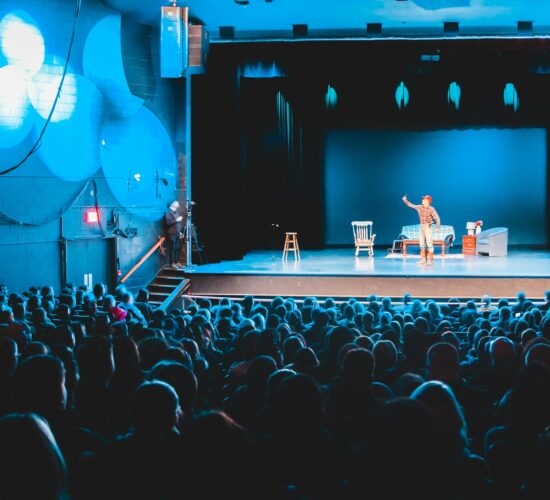
In a world filled with endless streaming platforms, social media feeds, and virtual entertainment, live theatre still holds a special place in modern culture. People spend hours online every day, yet many still choose to sit in a dark auditorium and watch actors perform stories in real time. That choice says a lot about human nature. Theatre offers emotion, connection, and unpredictability that screens often cannot match. Even today, audiences continue to search for authentic experiences, and live performance culture remains one of the strongest ways to feel truly present.
Digital entertainment moves fast, and trends change overnight. However, theatre has survived centuries of social and technological shifts because it offers something deeply personal. Each performance feels unique because no two shows unfold in the same way. Actors react to audiences, emotions rise naturally, and every moment happens live. As a result, theatre continues to matter in a digital world that often feels distant and disconnected.
A Shared Experience That Screens Cannot Replace
When people attend a theatrical production, they experience a story together. They laugh at the same jokes, sit quietly during emotional scenes, and react as one group. This shared energy creates a bond between strangers, even if they never speak again. While digital platforms allow viewers to watch content anywhere, they rarely create the same sense of collective emotion.
Theatre also encourages people to slow down and focus. Phones go silent, screens disappear, and attention turns fully toward the stage. As a result, audiences become active participants rather than distracted viewers. They listen closely, notice details, and respond emotionally in real time. This level of engagement feels refreshing in a world filled with constant notifications and multitasking.
The Human Element Makes Every Show Unique
Unlike movies or television programs, stage productions happen live. Actors cannot pause, edit, or redo scenes. Therefore, every performance contains natural spontaneity that makes theatre exciting. Even a small change in tone, timing, or audience reaction can shift the mood of an entire scene.
This unpredictability keeps audiences emotionally invested. People know they are witnessing something that exists only in that moment. Because of this, theatre creates memories that feel personal and meaningful. Many audience members remember specific performances for years because the emotional connection felt real and immediate.
Actors also feed off audience energy. A crowd that laughs loudly or reacts emotionally can influence how performers deliver lines and express emotions. This relationship between performer and audience creates a living experience rather than a fixed product. Consequently, theatre remains deeply human in ways digital entertainment often struggles to achieve.
Storytelling Builds Empathy Across Communities
Theatre has always reflected society. Through drama, comedy, and music, stage productions explore love, conflict, injustice, hope, and identity. These stories help audiences understand perspectives different from their own. As people watch characters struggle or succeed, they often recognize parts of themselves in those journeys.
Modern theatre also gives voice to communities that once lacked representation. Diverse casts, fresh stories, and contemporary themes now appear on stages around the world. Because of this progress, theatre has become more inclusive and accessible to broader audiences.
At the same time, local productions often strengthen community ties. Small theatres bring neighbors together, support local artists, and create cultural identity within cities and towns. While online entertainment can feel isolated, live storytelling builds real-world relationships that continue long after the curtain closes.
Local Stages Continue to Shape Creative Talent
Many successful actors, directors, and writers begin their careers in community or regional theatre. These local spaces provide opportunities to experiment, learn, and grow creatively. Without them, the entertainment industry would lose an important training ground for future talent.
Community theatres also make the arts more accessible. Ticket prices often remain affordable, allowing more families and students to attend performances. Additionally, local productions create opportunities for volunteers, technicians, musicians, and designers to participate in the creative process.
The influence of regional theatre extends beyond entertainment. Local productions support nearby businesses, attract tourism, and strengthen cultural life within cities. Therefore, theatre contributes both artistically and economically to communities across the country.
In the middle of these cultural spaces, audiences often discover immersive stage storytelling that creates a deeper emotional involvement than passive viewing. Instead of simply watching events unfold, people feel emotionally connected to every movement and line spoken on stage.
Young Audiences Still Crave Authentic Entertainment
Many assume younger generations only care about digital content. However, theatre attendance among younger audiences continues to grow in many areas. Students and young adults often seek experiences that feel authentic and emotionally engaging. Live theatre delivers exactly that.
Social media may even help the theatre attract new fans. Clips from productions, backstage videos, and actor interviews create curiosity online. Then audiences attend performances to experience the full emotional impact in person. As a result, digital platforms sometimes work alongside theatre rather than against it.
Schools also play an important role in keeping theatre alive. Drama programs teach creativity, teamwork, and communication skills. Students who perform on stage often develop confidence that benefits them throughout life. Additionally, school productions introduce many young people to theatre for the first time, creating lifelong appreciation for the arts.
Technology Has Expanded the Reach of Stage Productions
Although theatre values tradition, it has also adapted to modern technology. Lighting systems, sound design, digital projections, and advanced stage effects now enhance storytelling in exciting ways. These tools help productions feel immersive while still preserving the live experience audiences love.
Streaming services also gave the theatre new visibility in recent years. Many companies recorded performances or offered virtual access when in-person attendance became difficult. Because of this shift, people who once lacked access to theatre could finally experience professional productions from home.
Still, virtual access did not replace live attendance. Instead, it reminded audiences how much they missed the experience of sitting in a theatre with others. That realization strengthened appreciation for in-person entertainment. In many ways, technology helped prove why live experiences still matter.
Live Drama Offers Relief From Digital Fatigue
People spend much of their daily lives looking at screens. Work meetings happen online, conversations move through messaging apps, and entertainment streams endlessly across devices. Over time, this constant digital exposure can feel exhausting.
Theatre offers a different kind of experience. Audiences sit together in a physical space and focus on real people performing nearby. That environment encourages mindfulness and emotional presence. Because of this, theatre often feels calming and refreshing compared to endless scrolling and online distractions.
Live performances also encourage emotional honesty. Actors display vulnerability openly in front of audiences, and viewers respond with genuine reactions. This exchange creates trust and emotional depth that many digital experiences lack. As more people search for meaningful connections, theatre continues to provide an important escape from digital overload.
The Future of Theatre Looks Strong and Relevant
Theatre has survived radio, television, film, and now the internet. Each time new technology emerged, some predicted the end of live performance. Yet theatre adapted, evolved, and remained culturally important. Today, audiences still value experiences that feel personal, emotional, and shared.
In the years ahead, theatre will likely continue blending tradition with innovation. Productions may use more interactive technology, creative staging, and modern storytelling methods. However, the core appeal will remain the same. People will still gather together to watch human stories unfold in real time. In that way, theatrical audience engagement will continue to shape how communities connect, reflect, and understand one another in an increasingly digital world.
Theatre matters because it reminds people what it feels like to be fully present. It creates emotional connections that screens alone cannot provide. Even in a fast-moving digital age, live performance continues to offer something timeless, honest, and deeply human.
Additional Information
- Blogs
- t@hRS@rth